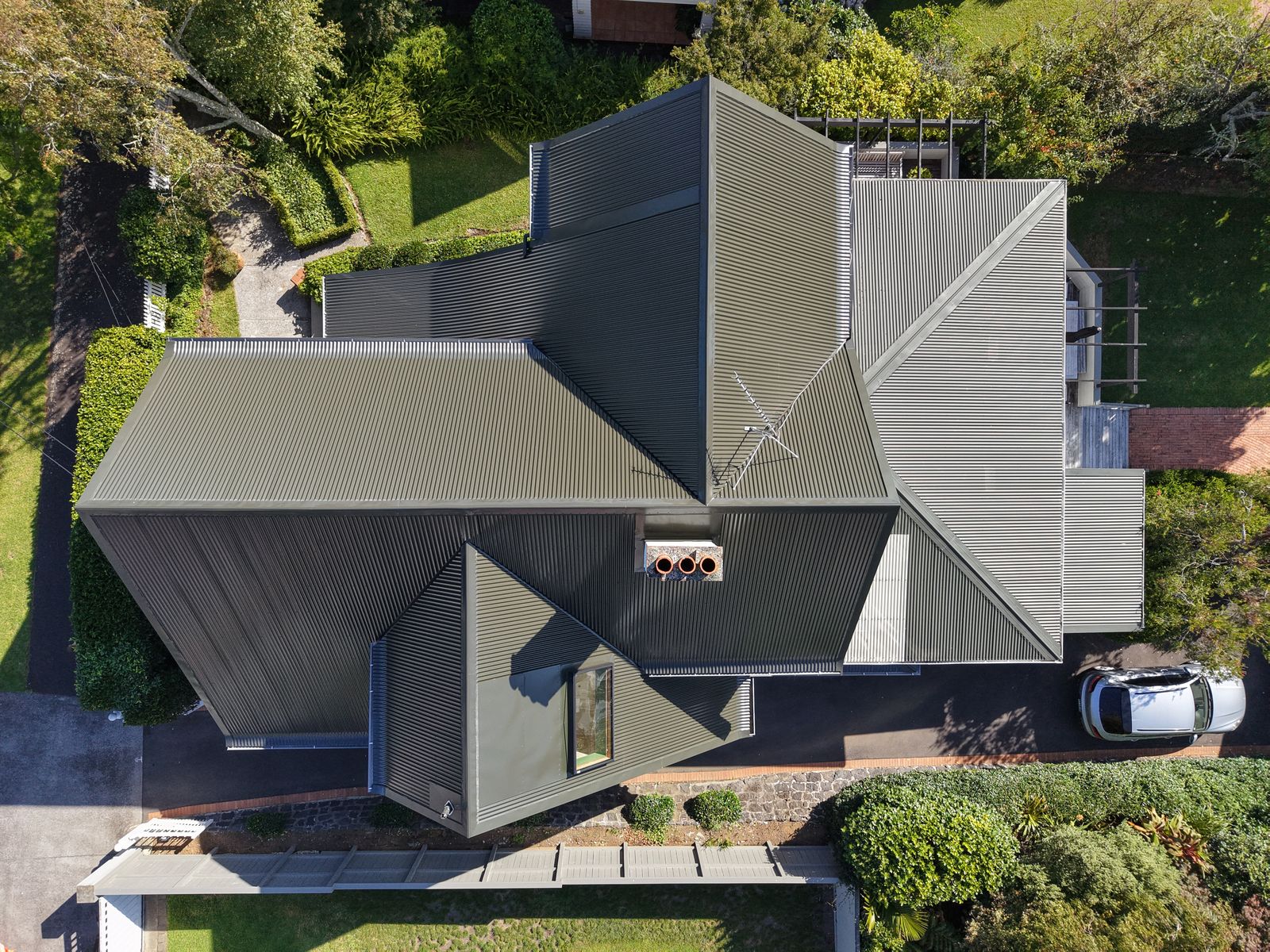
Long-run metal roofs are popular across both residential and commercial properties for their durability, longevity, and aesthetic versatility. Continuous metal sheets significantly reduce the risk of leaks and offer superior weather resistance — and they come in a range of profiles, each with its own distinctive look and ideal applications.
We’re experts at helping you pick the right profile for optimal performance, aesthetic appeal, and cost-effectiveness on your specific project. Below, we’ve walked through the most common long-run metal profiles — their key features, characteristics, and ideal applications.
Perhaps the most iconic and widely recognised roofing style, characterised by its distinctive wavy and timeless appearance. Heavy-duty thanks to the corrugations, with excellent water-shedding and a price point that suits almost any budget — the classic design suits all homes.
A modern, clean, strong appearance with a series of subtle ribs and wide flat pans. Trapezoidal offers excellent spanning capability and superior drainage compared to corrugated profiles on flatter pitches — making it the workhorse profile for everything from contemporary homes to large industrial structures.
A versatile profile with wide flat pans and prominent ribs. Trough balances a clean, modern look with excellent water-carrying capacity, making it suitable across both residential and commercial applications — especially where lower pitches and longer water runs are involved.
A premium profile designed for both performance and aesthetics. A concealed clip system secures panels without screws or nails penetrating the roof surface, ensuring a clean, watertight finish. Unlike exposed-fastener systems, there are no visible fixings — giving the roof a sleek, uninterrupted appearance.
Selecting the best option depends on several factors: roof pitch, the style of your home, local weather conditions, and your budget. Each profile provides unique benefits in strength, aesthetics, and performance. We take the time to understand your needs and guide you through the options — helping you choose the most suitable materials for your roof.
Corrugated and trapezoidal profiles offer a classic, softer appearance — often preferred for residential homes, bungalows, or renovations where a traditional yet contemporary aesthetic is desired. For a more streamlined, minimalist or modern statement, trough or standing seam profiles are an ideal alternative; trough presents a strong, versatile sleek look suitable for both residential and commercial.
Trapezoidal is excellent for very low-pitch roofs, ensuring effective water-shedding and making it a reliable choice on residential and light commercial projects with a gentle slope. Trough is also highly versatile and accommodates a wide range of pitches with robust strength and superior drainage.
Corrugated is typically the preferred choice for residential applications — classic aesthetic, proven value for homes and renovations. Trapezoidal leads on commercial projects thanks to wide spanning capability, which creates cost efficiencies on large buildings. Trough offers modern versatility, bridging architectural homes and stylish commercial properties.
In high-rainfall areas, trapezoidal and trough are preferred for water-shedding even at low pitches. In high-wind zones, concealed-fix systems like trough and standing seam offer strong resistance via secure clip designs. Coastal areas benefit from systems without exposed screws — trough or standing seam — to minimise salt-spray corrosion. In hail-prone regions, corrugated and trapezoidal are reliable for proven impact resistance.
Maintenance varies by fixing system. Concealed-fastener profiles like trough and standing seam are preferred for low upkeep — no exposed screws to check. Corrugated and trapezoidal use exposed fasteners and need regular inspections to keep fixings secure and watertight.
Trapezoidal and trough are engineered with wide spanning capacity, making them cost-effective for large commercial roofs where minimising support steel is a priority. Standing seam also offers strong spanning ability for architectural homes and commercial façades. Corrugated typically requires closer purlin spacing — often chosen where visual appeal and traditional finishing matter more than structural efficiency.
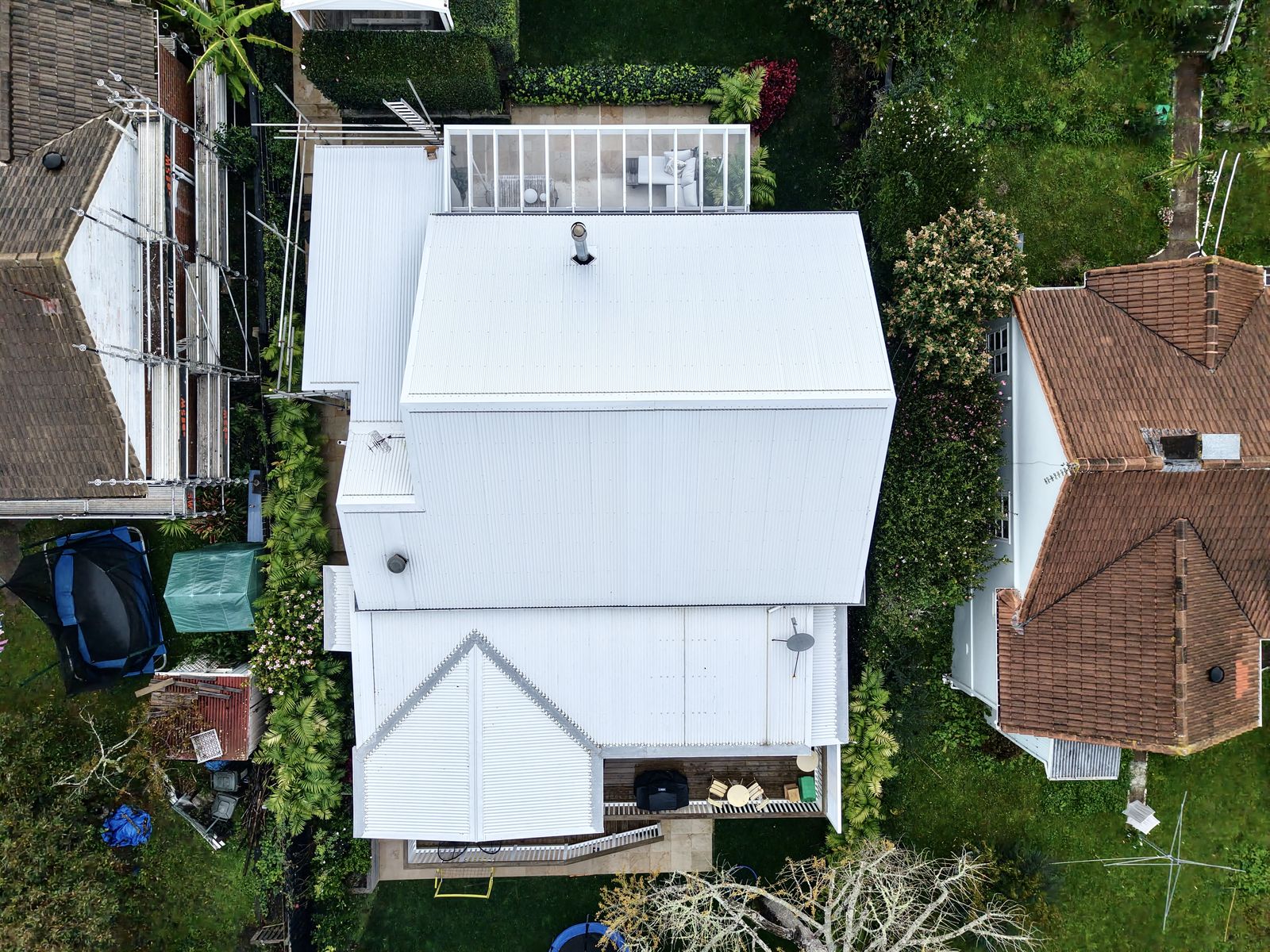
Still deciding which option is right for your property? Below are some common questions our clients ask when choosing between corrugated, trapezoidal, and standing seam options.
Trapezoidal and tray (standing seam) profiles are ideal for low-pitch roofs thanks to their strong drainage capability and weather resistance. Our team will assess your roof pitch and recommend the best option for long-term performance.
Corrugated roofing has a classic wavy shape and is cost-effective for traditional homes and rural buildings. Trapezoidal offers a modern, angular look with stronger spanning ability, making it a great choice for low-pitch or large-scale applications.
Yes, if you’re after a sleek finish and low maintenance. Trough or standing seam profiles hide all fasteners, reducing the risk of leaks and corrosion. They’re especially suited for architectural homes or buildings in coastal environments.
The best profile depends on your roof pitch, the style of your home or building, your budget, and local conditions. Corrugated is a great fit for traditional villas or rural settings, while trapezoidal and trough are often used on modern and industrial buildings. For low-pitch roofs or coastal properties, concealed-fix systems like trough are ideal — excellent water tightness with minimal maintenance. Standing seam is typically chosen for crisp architectural lines on walls or steeper roofs. A roofing specialist can help you weigh up these factors and recommend the right profile for long-term performance.
All roofs have similar baseline requirements — choosing the specific profile for your needs and environment is key. Concealed-fix systems like trough and standing seam have less chance of leaks or loose fixings over time. Corrugated and trapezoidal are highly durable choices, but because they rely on exposed fasteners, they usually need more regular inspections to keep them performing at their best.
Coastal homes face unique challenges with salt spray and wind. Concealed-fix systems — trough or standing seam — are best suited; they eliminate exposed screws and significantly reduce the risk of corrosion. Corrugated and trapezoidal can still be used successfully in coastal areas, but only if marine-grade materials and coatings are specified and the roof is maintained more frequently.
Yes. Many metal roofing profiles are also designed for use as wall cladding, which can transform the look of a building. Trapezoidal, trough, and standing seam are especially popular — creating a modern, architectural finish while providing the same durability and weather protection as roofing. Using the same profile across both roof and walls is also a simple way to achieve a seamless, contemporary design.
Corrugated remains one of the most affordable profiles and is widely used on homes, farm buildings, and sheds. Trapezoidal is also a very cost-effective option, particularly for larger structures, because its strong ribs can span further and reduce the need for extra purlins. Both balance cost with proven strength and durability, making them reliable options where budget is a key factor.

We’ll come look, talk through what fits your roof and your weatherboards, and put a written quote together with the profile spec called out plainly.
Average response: 3 business hours